Are these the best classical tracks of 2024?

Probably not. But out of the ones I’ve heard, I’ve enjoyed these the most.

Listen to the Spotify playlist

10. Te Deum: Prélude (Marc-Antoine Charpentier)
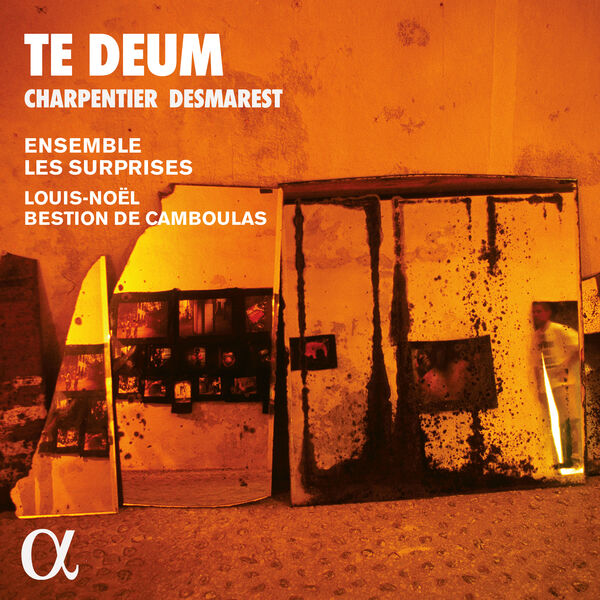
Te Deum Charpentier

Featured on: Charpentier & Desmarest: Te Deum (Ensemble Les Surprises)

I considered choosing a less obvious track from this album, but let’s be honest, there’s a reason why this is such an evergreen. That rambunctious opening drumroll followed by those cock-a-hoop trumpets—there aren’t enough words in my thesaurus to describe my exhilaration whenever I hear this.

Nevertheless, I can heartily recommend the rest of the album as well. This recording shines from all angles like a Versailles chandelier. And then there’s the way the singers, doubtlessly for historical accuracy, Frenchify the Latin. So the ‘u’ in ‘laudamus’ doesn’t sound like ‘boot’ but like—well—‘parvenu’ (pronounced in French). Which, for some reason, I find endlessly entertaining.

9. Funeral March for Rikard Nordraak (Edvard Grieg)

Funeral March Richard Nordraak Grieg

Featured on: Grieg: Symphonic Dances (Bergen Philharmonic Orchestra, Edward Gardner)

On to more drums and winds, but less jolliness. This funeral march was written by a young Edvard Grieg to honor his friend and mentor Richard Nordraak, the composer of the Norwegian national anthem who died aged 23 of tuberculosis.

As dictated by convention, this march is a mixture of pomposity, tenderness, and grief. Although you might also detect a pang of guilt. After all, Grieg had ignored his sick friend’s incessant pleadings for a visit out of fear of catching the disease himself.

Towards the end of his life, Grieg always kept a copy of this score in his briefcase, in case there was need for some impromptu serenading when he suddenly dropped dead. It was played at his funeral in the end. If you want it to accompany your own interment, this recording by the Bergen Philharmonic Orchestra will not disappoint.

8. Finale, Presto from Symphony nr. 98 (Joseph Haydn)

Haydn symphony 98

Featured on: Haydn 2032, Vol. 16: The Surprise (Il Giardino Armonico, Kammerorchester Basel, Giovanni Antonini)

I elaborately sang the praises of Haydn this year. So it makes sense to include some of his music in 2024’s overview. And the Haydn 2032 series is so good that I can include it in every year’s list.

This allegro is a perfect illustration of Haydn’s unique approach to composition. It starts with a lighthearted and, dare I say, forgettable melody. But then it branches out to all corners of the emotional spectrum.

The final surprise is a short but lively keyboard solo just when you thought the movement was grinding to a halt. At the premiere in London, this was played by the 60-year-old Haydn himself—never particularly known as a virtuoso. Imagine Bob Dylan suddenly turning into Billy Joel at the piano, and you’ll understand why the baffled crowd immediately demanded an encore.

7. A Ballet Through Mud (RZA)
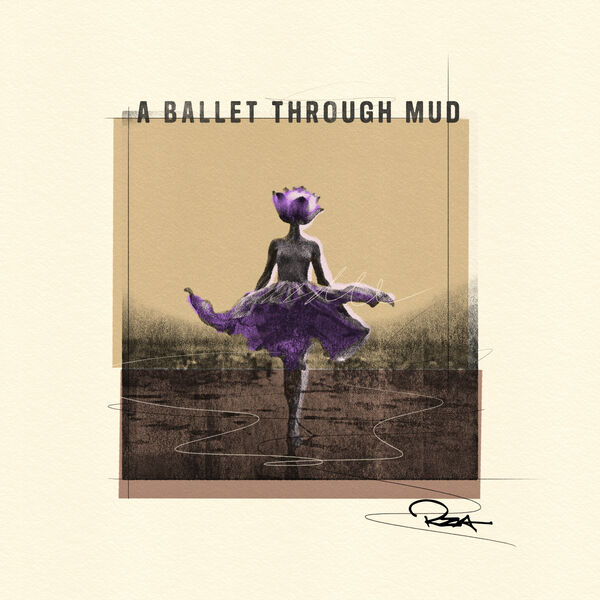
A ballet through mud

Featured on: A Ballet Through Mud (Colorado Symphony)

Speaking of surprises, when I first heard this track in the background, my first guess was Rimsky-Korsakov—mainly because of the obvious quotation from Scheherazade. Turned out the composer was RZA, aka Robert Fitzgerald Diggs, of Wu-Tang Clan fame.

RZA is quite the renaissance man: rapper, filmmaker, actor, composer, and producer. It’s the producer job that brings in the C.R.E.A.M, though. So it’s no surprise that this album, apart from some beautiful melodies, stands out for its amazing orchestration.

6. At the Purchaser’s Option (Rhiannon Giddens)

At the purchaser's option

Featured on: But Not My Soul: Price, Dvořák & Giddens (Ragazze Quartet)

Rarely is there such a heartbreaking story behind an innocuous title. Listen to Rhiannon Giddens tell it and stick around for her mesmerizing performance:

This original version gets its emotional punch from the combination of the laid-back banjo music with Giddens’ dignified and controlled anger.

The string quartet arrangement by Jacob Garchik is more extroverted, releasing all the pain and rage through plaintive countermelodies, plucking on snares, and hammering on wood. No substitute for the original, but certainly a worthy complement.

5. Tuba Mirum (Wolfgang Amadeus Mozart)

Tuba mirum mozart

Featured on: Mozart: Requiem (Pygmalion, Raphaël Pichon)

This one will be on a lot of lists this year. Raphaël Pichon interweaves Mozart’s Requiem with lesser-known compositions by the composer that seem to eerily foreshadow his final work. Certainly interesting, but it’s the amazing performance of the pièce de résistance that will turn this into a classic recording.

In the liner notes, Pichon explains how Mozart’s Requiem is in some ways an extension of his operas, “[elevating] the orchestra to the status of an additional character, [even] the most complex character to convey what could not be expressed in words.”

That’s nowhere more evident than in the Tuba Mirum, an almost operatic quartet with a trombone as the fifth character. But Pichon also brings out the dramatic power of Mozart’s (or is it Süssmayr’s?) string section as a sixth member of the conversation.

4. Strike the viol (Jakub Józef Orliński/Henry Purcell)
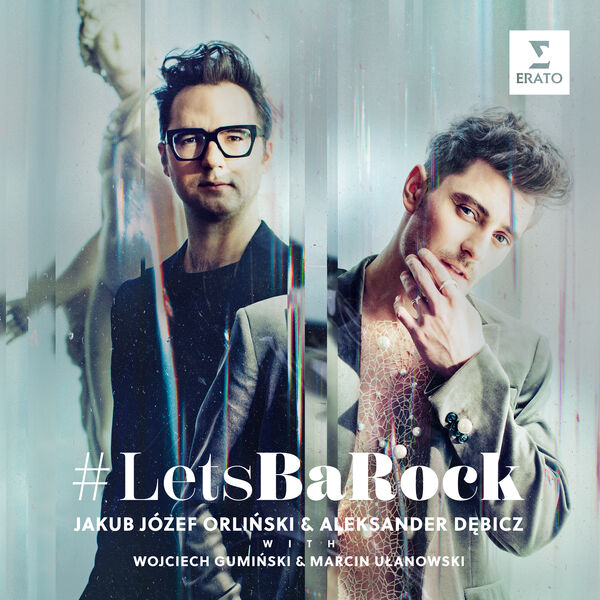
Strike the viol

Featured on: #LetsBaRock (Jakub Józef Orliński, Aleksander Debicz)

Let me get one thing off my chest first.

Dear classical music marketing people, I know pop-classical crossover is hard to sell. But let me assure you that album titles such as these only make things worse. It sounds like something that was coined in the seventies.
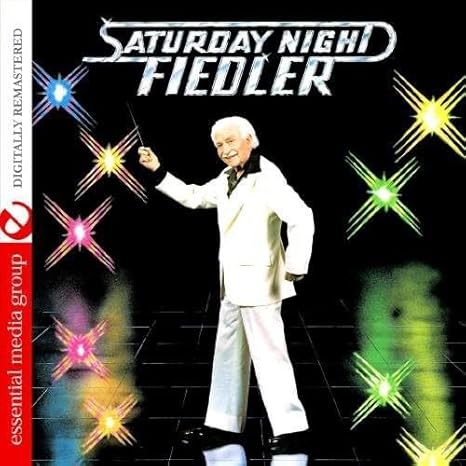
Saturday Night Fiedler
Good times, but not to be revived.

But wait a minute, I retract my words. I see you’ve added a contemporary touch: the completely meaningless hashtag! An unmistakable sign that you are truly ‘with it’.

Why should I care? Because this is a great album, and it would be a pity if the already tiny potential audience for this sort of thing was put off by this horrible title.

Countertenor Orliński and pianist Debicz bring cover versions of lesser-known baroque tunes and some of their own compositions in various 20th and 21st-century musical garments—ranging from jazz to hip-hop.

The combination of rich stylistic variety and consistent bare-boned instrumentation (mostly just voice, piano, drums, and bass) works extremely well. Just play this track, repress your purist prejudices (in either direction). And admit that it just, well, rocks.

3. Piano Quintet in G Minor: Largo (Sergey Taneyev)

Sergey Taneyev

Featured on: Taneyev: Violin Sonata in A Minor & Piano Quintet in G Minor, Op. 30 (Spectrum Concerts Berlin)

“Unfortunately for Sergei Taneyev, his music has long been held in high respect.” Nothing can be improved about that introduction by Gavin Dixon to this relatively unknown Russian composer. As a pupil of Tchaikovsky and teacher of Scriabin and Rachmaninov, Taneyev is a key figure in the history of Russian music. But he himself was more attracted to the Germanic tradition, earning him the nickname of ‘Russian Brahms’.
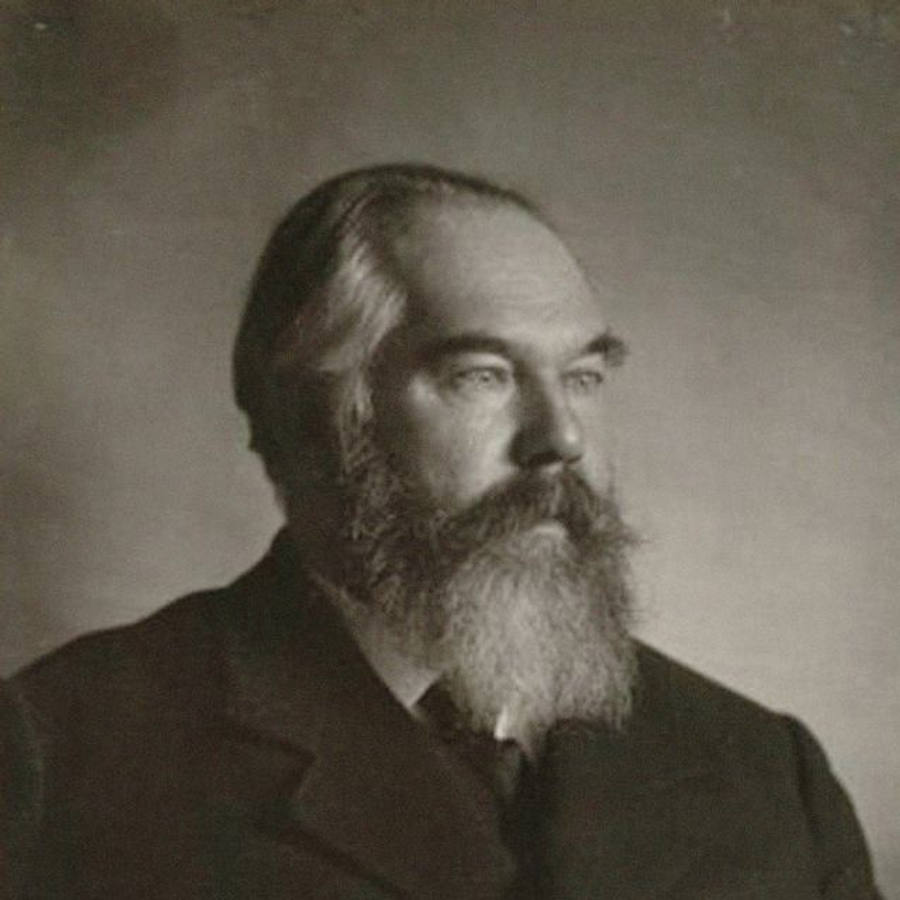
Much like Brahms, Taneyev combines strict compositional procedures with soaring expressions of emotion. This largo from his piano quintet is a nice example. It’s written in the respectable baroque form of a passacaglia, where one melody (presented very dramatically in unison at the beginning) is repeated throughout the movement. It’s a strong anchor for a deep dive into the innermost depths of the human soul—classical romanticism at its best.

This passionate aspect of Taneyev’s music seems to be overshadowed by his reputation as an academic traditionalist. His uneventful personal life might also have something to do with it. A lifelong bachelor, the closest he came to scandal was when Tolstoy’s wife took a shine to him. She wasn’t particularly subtle about it, which enraged Tolstoy. Nevertheless, the whole thing completely passed by Taneyev’s notice.

Maybe all that emotional torment in his music had no basis in real life. Or maybe his ‘lifelong friendship’ with Tchaikovsky was more complicated than most bios would have us believe. In that case, I hope someone discreetly informed poor Mrs. Tolstoy.

2. Piano Concerto in C-sharp Minor: Allegretto (Francis Poulenc)
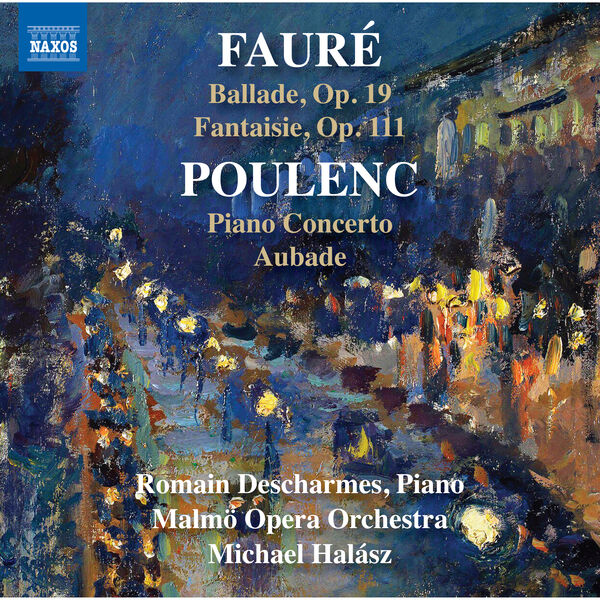
Poulenc piano concerto

Featured on: Fauré & Poulenc: Works for Piano & Orchestra (Romain Descharmes, Malmö Opera Orchestra, Michael Halász)

“Half monk and half naughty boy.” Now that’s more like it. It’s how critic Claude Rostand described Francis Poulenc, a composer who’s often derided for not being sufficiently serious. Understandable, when you listen to this first movement of his piano concerto, where he even outdoes Haydn in his constant thwarting of our expectations.

Maybe it’s a bit much and the whole thing misses a sense of unity. But his gorgeous melodies are unsurpassed by anyone but Mozart or Schubert. I couldn’t get the main theme out of my head for at least a week.

And then there’s that solemn brass chorale around the 6-minute mark, dialoguing with the piano and strings. Poulenc lets the seductive main theme kick in again with scarcely any transition, bringing the monk and the naughty boy face to face and creating a moment of sublime beauty.

1. Violin Concerto, Op. 15: II and III (Benjamin Britten)

Violin concerto Benjamin Britten

Featured on: Britten: Violin Concerto, Chamber Works (Isabelle Faust, Symphonieorchester Des Bayerischen Rundfunks)

In 1939, Benjamin Britten arrived in the United States seeking refuge from the rise of fascism and militarism in Europe. His subsequently written violin concerto is therefore often regarded as a commentary on those troubled times.

Some say the young Britten went a little overboard with this concerto. The orchestra (especially the percussion section) is unusually large, and the violin part extremely demanding. It’s hard to imagine how some of the parts of the cadenza at the end of Part II can be played without at least one extra hand.

It’s impossible to separate these two movements: there’s no break between them and the theme of the passacaglia of Part III (a simple rising and then descending scale) is foreshadowed in Part II.

The general mood of Part II is one of terrible, beautiful violence (something that can only exist in art), reminiscent of Beethoven’s Ninth Symphony. There’s no triumph in Part III though, only resignation without acceptance.

It’s easy to imagine Britten writing this in 2024. But where would he escape to?
Are these the best classical tracks of 2023?

Probably not. But out of the ones I’ve heard, I’ve enjoyed these the most.

Listen to the Spotify playlist

10. Le tableau de l’opération de la taille (Marin Marais)

Marin Marais alb

Featured on: Marin Marais: Folies d’Espagne, La Rêveuse & other works (Jean-Guihen Queyras & Alexandre Tharaud)

Admittedly, this first entry is something of a ‘novelty song.’ It’s included on a record that has a lot more beauty to offer. Jean-Guihen Queyras & Alexandre Tharaud interpret viola da gamba pieces by Marin Marais (1656 – 1728) for cello and piano, with stunning results. You should check it out in full.

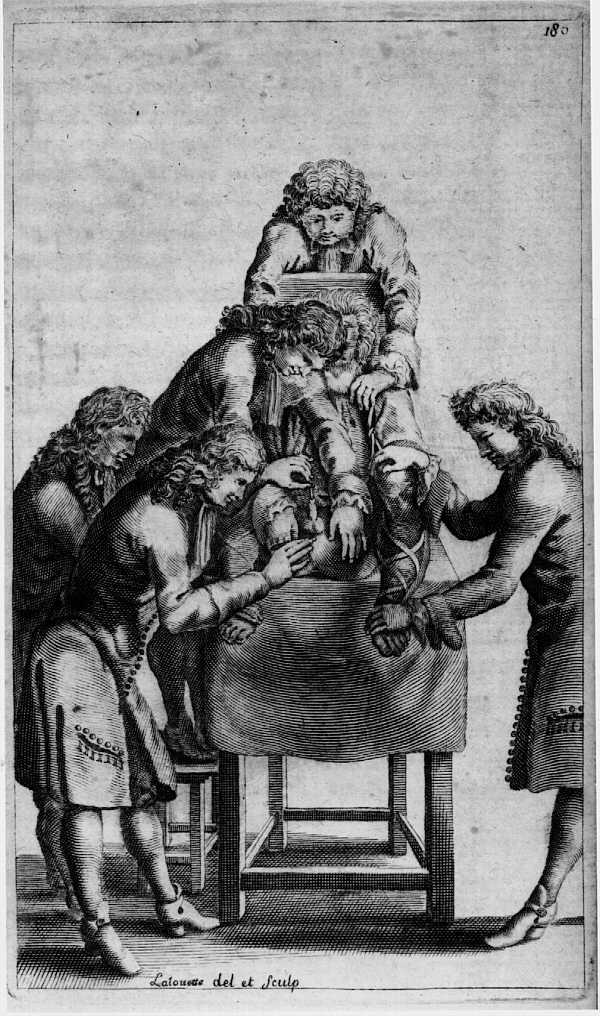
On this track, actor Guillaume Gallienne joins them to recite the text that Marais added to his piece Le tableau de l’opération de la taille. ‘La taille’ is the removal of a bladder stone, a horror Marais himself had to undergo when he was about 64.

Marin Marais opération de la taille
These people are smiling way too much.

Marais decided to pour his painful experience into a song. Much like Taylor Swift in Death by a Thousand Cuts, but with actual pain.

The text details the procedure. If you don’t understand French, consider yourself lucky. The music expresses the feelings of the patient. At the crucial/most excruciating moment, Marais decides the traditional Baroque style cannot capture the mood and skips ahead to early-twentieth-century expressionism. Who can blame him?

9. We played some open chords and rejoiced, for the earth had circled the sun yet another year (Dustin O’Halloran)

Echoes orchestra of the swan

Featured on: Echoes (Orchestra of the Swan)

Midlifers like me remember the concept of ‘mix tapes’: a carefully selected collection of songs that fit on a 60-or 90-minute cassette tape. The idea was that such a highly personal selection would reveal to the recipient, usually a love interest, how sophisticated we were – without the hassle of actually having to express a feeling or a thought. Unsurprisingly, that never worked. Not once.

Mix tape
Newsflash: Sophie erased your assortment of Morrissey and Nick Drake songs to make a ‘serious beats’ compilation for a guy named Chuck.

Orchestra of the Swan uses the mix tape concept to present a range of compositions that have no apparent reason to be on the same record: from Bach and Glass to Portishead and The Velvet Underground. If there’s an overarching message in all this, I couldn’t find it. It’s just a varied, enjoyable listen; sometimes, that’s all you want.

The track that stands out most is this minimalist piece, originally by the ambient duo A Winged Victory for the Sullen. The backbone of the composition consists, true to the title, of only a few open chords. They’re surrounded by flutters in the violins and some well-timed sighs of the cello.

Remove or add a few notes, and this would become the kind of music they generously disperse through your local wellness center. As it is, it sounds equally relaxing and moving. Halfway through, there’s a delightful Schubertian shift in the harmonies – always good for extra points in my book.

8. Fuga – allegro con spirito from piano sonata in e-flat minor, Op. 26, (Samuel Barber)

Barber piano sonata

Nobody could accuse Samuel Barber of taking the easy road when he started his piano sonata. It’s a composition that summarizes at least two centuries of keyboard music, with nods to Bach, Beethoven, Schoenberg and Gershwin.

It’s all the more impressive that the piece presents a unified whole where the seams never show. This final movement combines a classical fugue with jazzy inflections, twelve-tone rows and some Debussy-esque orientalism – ending with a humorous twist that would have pleased Papa Haydn.

Speaking of whom:

7. Adagio from Symphony nr. 31 (Joseph Haydn)

Haydn symphony 31

Featured on: Haydn 2032, Vol. 13: Horn Signal (Il Giardiono Armonico – Giovanni Antonini)

Giovanni Antonini and Il Giardino Armonico got it into their heads to record all 106 Haydn symphonies by 2032. Each – beautifully packaged – volume presents a few works under some common theme. On volume 13, it’s the presence of a prominent section of no less than four horns.

This early adagio in a gently rocking siciliano rhythm is far removed from the monumental ‘London symphonies’ of the older master. Haydn wasn’t yet speaking to the world but trying to please his master by catering to the strengths of the members of his ensemble. Each gets his turn to shine, with a special role for the horns, of course. But the young(ish) ‘master of form’ already knows how to unite it all into one balanced and engaging whole.

6. Tarentelle, pour flûte, clarinette et orchestre, op. 6 (Camille Saint-Saëns)

Bacchanale saint-saens

Featured on: Bacchanale: Saint-Saëns et la Méditerranée (Zahia Ziouani)

Camille Saint-Saëns visited Algeria no less than eighteen times. There, he picked up some tunes to include in several ‘oriental’ compositions.

These days, such compositional curiosity could lead to accusations of cultural appropriation. And you can’t deny that in those heydays of French colonialism, the musical exchange didn’t exactly happen on equal terms. So it’s nice that on this record, Zahia Ziouani combines the orientalism of Saint-Saens with contemporary Arabic songs.

The track I’ve chosen is an airy tarantella – Italian rather than oriental and with some Viennese flavors in the middle part. The flute and clarinet tumble acrobatically over each other, with other instruments sporadically joining in. It’s an impressive demonstration of Saint-Saëns’ compositional skill and keen talent for orchestration.

5. Solstice In/Solstice Out (Anna Meredith)

Nuc Anna Meredith

Featured on: Nuc (Ligeti Quartet – Anna Meredith)

Two tracks for the price of one, because they’re as indivisible as yin and yang. Solstice In drives up your blood pressure through a string quartet that moves from agitated glissandi to dull and obsessive pizzicati, combined with a piercing trumpet. Solstice Out brings you down again when both strings and trumpet are muffled and hesitant. It’s kind of like a musical hot-and-cold bath to both jolt and soothe your nerves.

4. Dans mon jardin à l’ombre (Anonymous)

Mon amant de saint-jean

Featured on: Mon amant de Saint-Jean (Stéphanie d’Oustrac – Le Poème Harmonique)

In 2023, I raved about an album by Joel Fredriksen that artfully combines Leonard Cohen’s songs with Renaissance chansons. One of those songs could have easily made this list. But I decided to include something from another album with a similar approach. It serves a fricassee of 17th-century popular songs, 17th-century Italian opera, and 20th-century popular songs – though never within the same tracks.

Thanks to a distinctive accordion and d’Oustrac’s impressive and theatrical delivery, this album sounds so French that it should come with a complimentary baguette. This track is a dark tale about a woman turning down a handsome young soldier because she’s married to a jealous, even violent older man. Musically, it would pair remarkably well with Cohen’s The Partisan.

3. Ah ch’infelice sempre (Antonio Vivaldi)

Sacroprofano

Featured on: Sacroprofano (Tim Mead – Arcangelo – Jonathan Cohen)

There are still those who look down on Vivaldi because he was ‘formulaic.’ They’re wrong for two reasons. First, every Baroque composer was formulaic by later standards. Yes, even J.S. Bach. Two, listen to an aria like this one and tell me with a straight face that this would be out of place in the St Matthew Passion.

The lyrics would have to be adapted, as this aria recounts the peculiarly frustrating sensation of being rejected by a nymph. Much like Cold As You by Taylor Swift, but with a minor divinity from antiquity instead of an emotionally unavailable dude from the Nillies.

Plucked strings express the falling tears in the A and A’ sections. The ending of the contrasting B section is lovely: one note hangs like an unfinished thought when the A’ section unexpectedly kicks in. It demonstrates that no formula is ever exhausted in the hands of a genius.

2. Ich will schweigen (Johann Hermann Schein)

Ein deutsches barockrequiem

Featured on: Ein Deutsches Barockrequiem (Vox Luminis – Lionel Meunier)

In 2023, the wealthiest man in the world conclusively revealed himself to be a narcissistic and delusional cartoon villain. As if that fact wasn’t scary enough, a surprising number of people are happy to condone his behavior because he’s a genius – just like Beethoven, J.S. Bach and Taylor Swift. ‘Genius’ is a label that we apply very quickly. I did it three sentences ago. And it’s not without its risks, like inflating the contribution of a few while underestimating those of the many.

Although Johann Hermann Schein is dutifully mentioned in all books on baroque music, no one would ever call him a genius.

Johann Hermann Schein
Although he had the hair of a genius. A MAD genius!

And yet, he composed what I consider to be one of the greatest masterpieces of the era. At least since I first heard it two years ago. It’s now recorded by my favorite baroque ensemble and, thus, an immediate certainty for this list. The text is a typical example of the long-lost virtue of humility, even slipping into the less commendable self-humiliation before the eyes of the Lord.

It ends with the sentence, ‘Ach wie gar nichts sind doch alle Menschen!’ – Oh, how all people are really nothing. Schein’s triumphant setting is paradoxical but fitting. Because what thought could be more liberating, both in the 17th century and today?

Elon Musk
Pictured: nothing

1. Maestoso from piano concerto nr. 1 in d minor (Johannes Brahms)

Brahms first piano concerto

Featured on: Brahms: Piano Concertos (Simon Trpčeski – Cristian Măcelaru – WDR Sinfonieorchester)

I earlier outed myself as middle-aged. Though that has been mathematically correct for quite some years, I’ve only truly felt it in 2023.

One of the great things about growing older is that you’re less likely to be taken on a rollercoaster by your emotions. But it unfortunately also means that music doesn’t ‘come in’ as powerfully as it used to.

Gone are the days when I could put on Beethoven’s Seventh or Schubert’s Unfinished at any time of the day and immediately enjoy the feeling of having access to all the sorrow and joy entangled with human existence. These days, I’m just as likely to mellow out to a Haydn adagio. Nice, but not quite the same.

But I’m also not that old yet. And I particularly feel that when I’m exploring the works of the young Johannes Brahms. His first piano concerto was finished shortly after the suicide of Robert Schumann – his friend, mentor, and husband of the love of his life. They say the opening chords picture that fateful leap into the Rhine. It doesn’t get much more adolescently pathetic than that. And I mean that in the best possible sense.

The concerto is not virtuosic but challenging to play, which is the exact opposite of what you would want as a soloist. The orchestration is also not particularly brilliant, as Brahms was still refining that part of his craft. Its first performances were not well received. Today, it’s respected, of course, but not nearly as popular as, say, Beethoven’s 3-4-5, Tsjaikovsky 1, or Rachmaninov 2.

None of that matters when you listen to this fantastic recording. The chemistry between the soloist and orchestra is out of this world, as is the sound quality. It never failed to entrance me, remind me what got me into classical music in the first place, and even make me feel twenty again!

And if you’ll now excuse me, I must get New Year’s dinner going. I won’t sleep a wink if I eat after 8 p.m.

Review: A day with Suzanne by Joel Frederiksen

“What’s not to like?” It’s Joey’s classic comeback when his friends ask him how he can stomach Rachel’s trifle/shepherd’s pie. It’s also how I tend to feel about the generally despised subgenre of the classical/pop crossover.

What's not to like?
My friend’s face when I tell him I quite like The Baroque Beatles.

To me, it’s common sense: if you add one good thing to another good thing, the sum can’t be that bad. In this particular case:

  • Renaissance chansons? Good!
  • Leonard Cohen? Good!
  • A tribute to Leonard Cohen by a Renaissance ensemble? Well, let’s dive in …

Cohen unplugged

With ‘A day with Suzanne – A tribute to Leonard Cohen’, American lutenist and singer Joel Frederiksen partly revisits his ten year old idea of putting an Elizabethan mask on Nick Drake songs.

A day with Suzanne by Joel Frederiksen

Here, it works even better. Because notwithstanding his many qualities, Leonard Cohen did not always make the best production choices. If you’re a pedantic fortysomething like me, you no doubt enjoy looking down on millennials who think Hallelujah was written by Jeff Buckley. But the simple fact is that the song would never have become a classic in Cohen’s album version – with less emotional delivery and many more cheap Casio bleep-blobs.

That’s why the sparse lute and viola da gamba arrangements on this record mostly come over like deliciously paired down versions of the originals – while adding interest through the addition of different countermelodies across the different verses. The exception is Famous Blue Raincoat, of which the Cohen album version simply cannot be improved.

Frederiksen’s voice, its range comfortably in between that of young and old Cohen, also feels right. He almost manages to completely eschew the schooled classical delivery that can make these kind of projects so cringy. Although the brittle voice of his partner in crime Emma-Lisa Roux fits the repertoire even better. And their ethereal harmonies are one of the big strengths of this album.

Musical patchwork

But Frederiksen’s ambitions for this album reach further than some tasteful rearranging. He also wants to set up a meeting between Cohen the “modern troubadour” and Renaissance chansonniers such as Orlando di Lasso and Josquin des Prez.

His procedure is to make old/new combinations based on shared textual and even musical motifs. The Cohen song is usually the bulk of each track, while the Renaissance bits are mostly used as intro/outros or interludes.

It’s a concept I very much wanted to like, but initially didn’t. The textual interrelations are very clever – excellently explained here. Musically however, the seams of this patchwork are showing a bit too much. Despite similarities between Cohen and his Renaissance colleagues, their musical language remains sea miles apart. In Suzanne/Susanne un jour, I actually flinch a bit every time the iconic Cohen guitar accompaniment comes in – it veers dangerously close to the stuff they used to do in the ‘70s and ‘80s to attract the youngsters to classical music. Same thing in A Thousand Kisses Deep/Un jour L’Amoureuse Sylvie.

Heavenly ending

Luckily, much like the aforementioned trifle/shepherd’s pie, this album gets better the further you advance into it. In the middle, there’s a delightful dance suite around Dance Me To The End Of Love – itself brought to the stately rhythm of a pavane.

But the two final tracks are where it finally all clicks together. In You want it Darker/Quand me souvient de ma triste fortune the two musical worlds impressively intertwine. My goosebumps moment of the album: the fragment where the Cohen song gets interrupted by some renaissance polyphony that beautifully resolves back to the bass riff. Listen for it around three minutes in.

The final song is, of course, Hallelujah. And, of course, rather the Buckley than the Cohen version. A hymn by Purcell provides the perfect inter- and postlude.

Final balance: if you’re the adventurous type, this album will not disappoint. Especially if you work your way through it backwards.

Are these the best classical tracks of 2022?

Probably not. But out of the ones I’ve heard, I’ve enjoyed these the most.

Listen to the Spotify playlist

10. Qui ne regrettoit le gentil Févin, lamento à 4 (Jean Mouton)

The landscape of the polyphonists

Featured on: The landscape of the polyphonists (Huelgas Ensemble)

“He who did not mourn the gentle Févin, must surely be a rogue.” When renaissance folks honored their dead, they didn’t do it half-heartedly. Not in their texts, but also not in their music.

The gentle Févin was a colleague of Jean Mouton (1459-1522), who wrote this piece. It’s only 33 bars long in modern editions. Tenors and sopranos sing the exact same melody in canon. Basses and altos do the same with a complementary tune.

Paul Van Nevel and his Huelgas ensemble draw this out to three-and-a-half minutes by allowing the tenor and soprano to present the first part of the main melody by themselves and then bringing in the other voices. That gives you the chance to take in that beautiful line before getting engulfed by the full polyphonic jumble of notes – which can make listening to renaissance music such an ordeal.

The singers strike a tone which is fittingly plaintive without crossing into kitschy pathos. That drawn-out accent on the ‘Fé’ of the first ‘Févin’ alone was enough to land this track a spot on this list.

9. Yis’mechu (Benjamin Till)

Letter to Kamilla

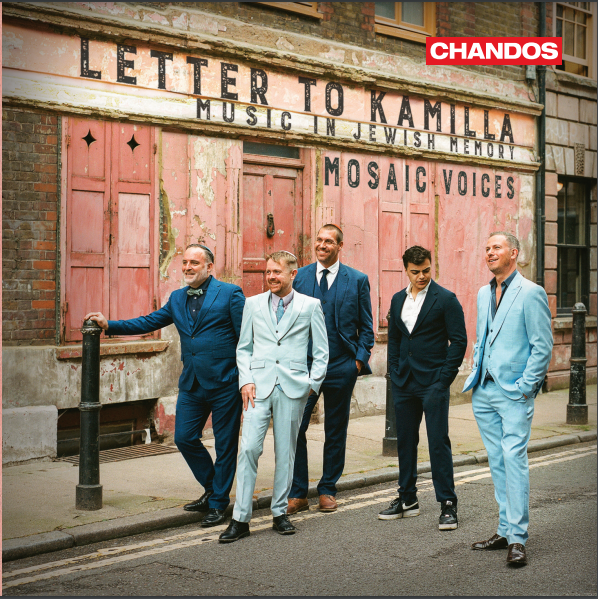
Featured on: Letter to Kamilla – music in Jewish memory (Mosaic Voices)

While we consider all Christian liturgical music a part of the Western classical tradition, Jewish music (often equally ‘Western’) is almost totally ignored. The kindest explanation is that Jewish music was often performed covertly and hardly ever written down. Still, there’s a lot left to be discovered and enjoyed.

Mosaic Voices is the ensemble that sings at London’s New West End Synagogue. Judging by their debut album, those services must be among the best shows in town. Apart from the basic melodies, there’s nothing ‘authentic’ about this music: the arrangements range from the typical ‘oom-pahs’ to close harmony, classical polyphonic techniques and hand-clapping. All very artfully done and with plenty of variety.

Yis’mechu is a celebration of the Sabbath, and the music fittingly bubbles with joy, even silliness – including some spicy modulations (like at 1:49). At the same time, there seems to be an undercurrent of sadness in this song, with sobs in the melodies and frictions in the harmonies. Hard to describe what exactly is going on, but it works.

8. Piano Quintet in F minor, Op. 34 – Scherzo. Allegro – Trio (Johannes Brahms)

Brahms quintets

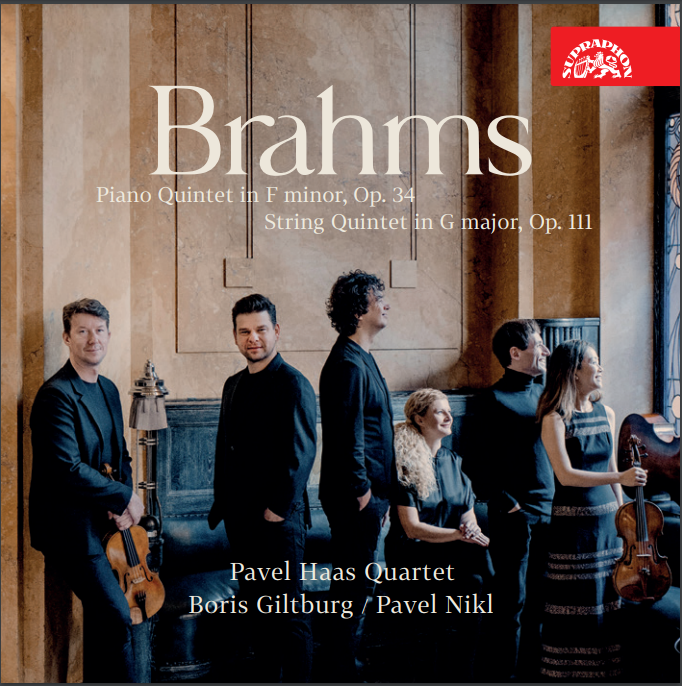
Featured on: Brahms: Quintets Opp. 34 & 111 (Pavel Haas Quartet, Boris Giltburg/Pavel Nikl)

Brahms is sometimes branded a conservative because he wanted to out-Beethoven Beethoven. But there’s no denying that precisely that ambition led him to compose – especially in his younger years – some of the most tempestuous music out there. This scherzo is as close to heavy metal as you can get without adding distortion and double bass drums.

The Pavel Haas quartet, supplemented with Boris Giltburg on piano, nail their performance with a vehemence and rhythmical precision that is out of this world. Strictly speaking, this is chamber music. But it’s pointless to imagine it in any other room than a concert hall. And impossible to listen to at home without cranking the volume all the way up to eleven.

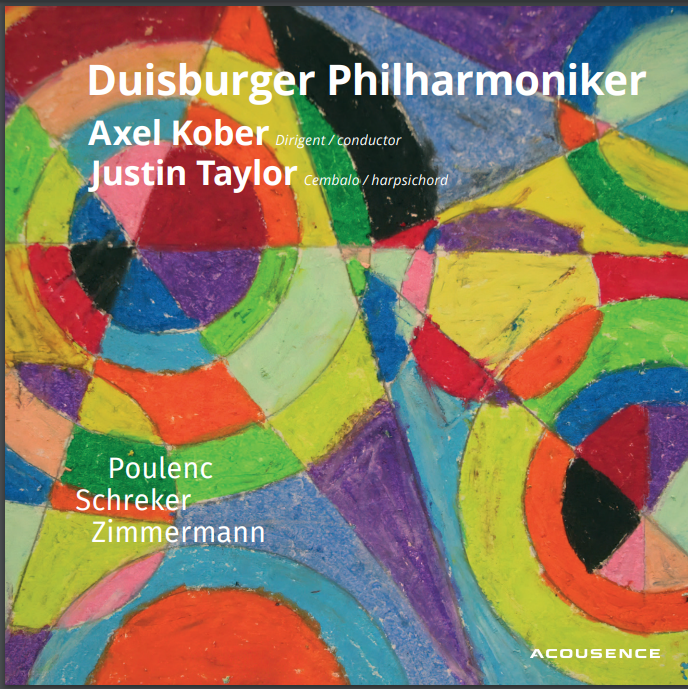
7. Concert champêtre for harpsichord & orchestra, FP 49 – Andante (Francis Poulenc)

Concert Champêtre

Featured on: Poulenc, Schreker & Zimmermann: Orchestral works (Justin Taylor – Duisburg Philharmonic Orchestra – Axel Kober)

According to the booklet that accompanies this wonderful recording, Francis Poulenc (1899-1963) styled his ‘pastoral concerto’ after baroque composers such as Couperin and Rameau. But my feeling is that he was mainly channeling one of his other musical heroes: Mozart.

This movement, in a gently rocking siciliana rhythm (just as Mozart used in his KV 488 concerto), is as much about the rich wind section as the solo instrument. In fact, when the harpsichord first enters, it is to give a sort of accompaniment to the melody that just preceded it – as if it’s late for the party.

The whole piece is a grandiose display of Poulenc’s greatest talent: melodic invention. One charming tune flows into the next. Sometimes it seems you are listening to Mozart, until a peculiar detail or bold turn reminds you that this is 20th-century music. Indeed, some of the best music that the 20th century had to offer.

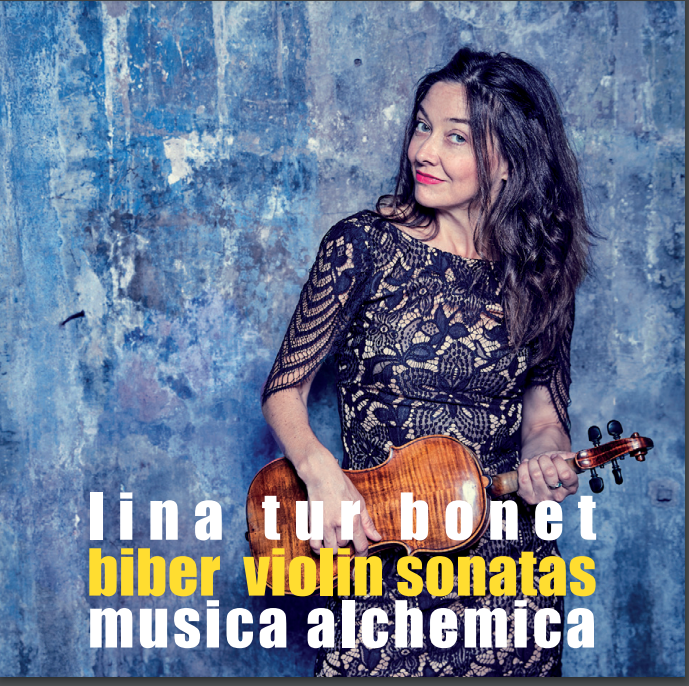
6. Variation from violin sonata V in e minor, C. 142 (Heinrich Ignaz Franz Biber)

Biber violin sonatas

Featured on: Biber violin sonatas (Lina Tur Bonet – Musica Alchemica)

Isn’t it high time for another revival of baroque music? Only this time, let’s not make it about historical authenticity, but about doing whatever you want. Because that’s the freedom that baroque composers gave us. On paper, the beginning of this Biber variation looks like this:

Variation from violin sonata V in e minor

Only the solo violin is written out in detail. The notes below are the bass notes of the accompaniment that can be worked out freely. Put a cello and a harpsichord or organ there, and you get the typical sound of many a baroque album that’s excellently suited to not distract you during dinner parties. Put it in the hands of a varied ensemble (including theorbo, harp and lute) of inventive musicians and you’re up for an engrossing listening experience that demonstrates the genius of Salzburg’s second-greatest composer.

5. Imperial march (John Williams)

Imperial march John Williams

Featured on: John Williams: The Berlin Concert (Berliner Philharmoniker – John Williams)

Apparently, Vladimir Putin is a fan of Tchaikovsky. (Who wants to be the one to tell him?) But I think there’s a good chance that he’s strutting in front of the Kremlin mirrors to this John Williams tune every night. Because pure evil never sounded so cool.

Check out the album review

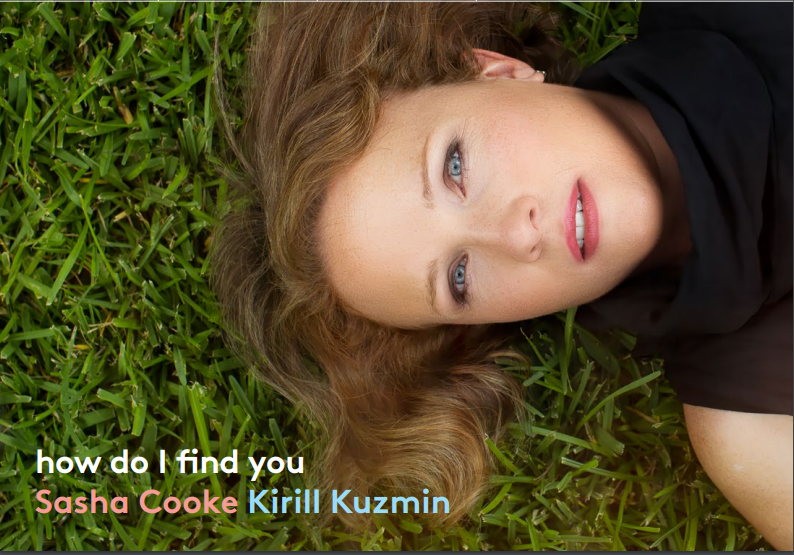
4. The hazelnut tree (Gabriel Kahane)

The hazelnut tree

Featured on: How do I find you (Sasha Cooke – Kirill Kuzmin)

Like so many of us, mezzo-soprano Sasha Cooke was cooped up inside because of the corona virus in 2020. She decided to ask a bunch of composers to send her songs inspired by their experience during that period. That resulted in the album ‘How do I find you’, a nice sampling from what you could call the ‘indie classical’ scene.

The hazelnut tree was the song that I immediately liked most. The lyrics hint to the desire – very common during that period – to disengage from the “fresh threats of doom” that are filling the papers. The music ripples nostalgically, with a piano that steadily moves the flow along while subtly commenting on the lyrics – the hallmark of good song writing since Schubert.

I admit that I never heard of Gabriel Kahane before this song. Apparently he’s also a singer-songwriter cut from the same high-quality fabric as Sufjan Stevens and Rufus Wainwright. He performs this song himself on his 2022 album Magnificent bird.

3. Ka Bohaleng/On the sharp side (Abel Selaocoe)

Ka Bohaleng/On the sharp side

Featured on: Where is home/Hae ke kae (Abel Selacoe)

Remember how baroque music allows you to do whatever you like? Well, Abel Selacoe takes this opportunity to couple a theorbo and a kora to add improvisational accompaniment to a Platti cello sonata. He also hums along with Bach’s cello sarabandes. If you adhere to delusional concepts such as historical authenticity or cultural appropriation, please go to the next item on this list.

Ka bohaleng/On the sharp side would not be out of place on a pop album – another cultural divide Selacoe bridges effortlessly. The song is dedicated to mothers everywhere. Its text is based on the Sesotho saying that a woman holds a knife on the sharp side. Meaning: never underestimate her powers.

The music is a wild orgy of different influences: a typically African web of constantly shifting rhythms, meters, accents and tempi, paired with Western classical harmonies in the strings. Presiding the whole thing with his cello and amazing voice, Selacoe keeps everything on the rails towards a delirious climax that makes you go straight to the repeat button.

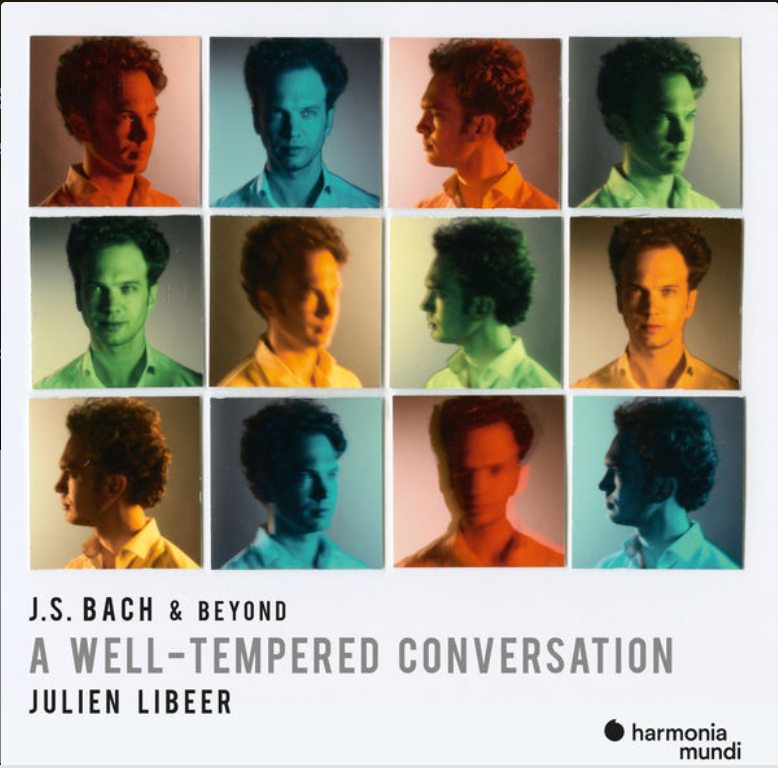
2. Fantasia in F minor for a mechanical organ, K.608 (arr. for 2 pianos by Feruccio Busoni) (Wolfgang Amadeus Mozart)

Fantasia in F minor for a mechanical organ, K.608

Featured on: J.S. Bach & Beyond: A well-Tempered conversation (Julien Libeer – Adam Laloum)

The self-playing mechanical organ was something of a marvel in the late 18th century. When Mozart was asked to write music for it, he no doubt reacted like the professional freelancer he was, “welcoming the challenge”. In truth, as he wrote to his wife, the commission bored him to death. And yet, the end result is one of his last great masterpieces.

Julien Libeer chooses this work as the halfway point of his journey through the history of keyboard music since J.S. Bach. A great choice, because Mozart’s fantasia looks back as well as forward. An opening in baroque French overture style flows into a Bach-like fugue and then an adagio overflowing with Mozartian charm. A slightly more complex and faster recapitulation of the fugue leads to the climactic ending.

At the same time, like a lot of late Mozart, the music looks forward to early romanticism, particularly – especially in this arrangement – to Schubert’s four-hand fantasia in the same key.

1. Ciacona seconda (Francesco Tristano Schlimé)

Ciacona seconda

Featured on: On early music (Francesco Tristano Schlimé)

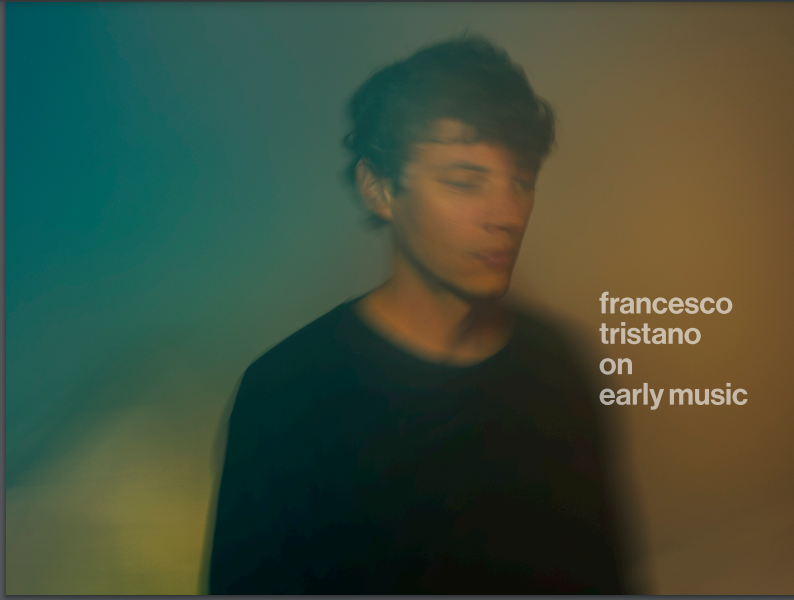
Of course, the history of keyboard music does not start with Bach. For his record On early music, pianist and composer Francesco Tristano focuses on 16/17th century pioneers such as John Bull, Orlando Gibbons and Girolamo Frescobaldi.

Tristano alternates faithful renditions of these renaissance/baroque pieces with his own compositions that are inspired by both the general style and particular details of the early music that surrounds them. Ciacona seconda is a chaconne based on an inconspicuous fragment lifted from a Frescobaldi piece that’s looped into infinity.

Like others on this lists, this is a composition that telescopes various styles and periods of music: from early baroque to jazz and minimalism. The end result is a hypnotic display of virtuosity that grabs you from its very first notes and never lets go.

Album review: Folk Songs by Ficino Ensemble & Michelle O’Rourke

For centuries, there were basically two types of music in Europe: (what we now call) classical and folk. And although they differed in almost every possible respect, they gladly invaded each other’s territories.

For classical composers, there were many reasons to borrow from, or imitate folk music. Often to express some meaning attached to the folk style. Like the noble simplicity/boorish stupidity of the lower classes, the raw magnificence of nature, or the glorious soul of the nation. Sometimes just because they liked the tunes.

The last seems to be true for Luciano Berio, who wrote his Folk Songs cycle in 1964. It contains 11 songs from different traditions. Some are not ‘real’ folk tunes at all, but composed by other composers, including Berio himself.

Though leaving the melodies intact, Berio – known as a ‘difficult’ composer – combined them with more adventurous accompaniments. On the album Folk Songs, the Ficino Ensemble gives the front stage to the voice of Michelle O’Rourke and relegates itself to a supporting role. A wise decision, because O’Rourke’s voice – classically trained but with clear folk sensibilities – magnificently brings out the beauty of these ‘simple’ melodies.

Folk Songs Ficino Ensemble

Medieval saints and barnyard animals

While Berio’s folk songs are always a pleasure to listen to, I doubt Ficino Ensemble’s interpretation is an indispensable addition to an already extensive discography. What I really like about this album are the four new compositions that are inspired by the folk style.

The works by Kevin O’Connell and Garrett Sholdice are more avant garde than Berio’s. They deconstruct the folk idiom and rearrange the barely recognize elements on a blank canvas. Doubtlessly interesting, but not really my cup of nettle tea.

The two remaining works tap into another vein: the British pop/rock folk sound that’s been with us since the seventies – with its mystical, faux-medieval atmosphere. Cronachdain Suil by Kate Moore is based on traditional and folkloric spells evoking Saint Brigid and Saint Mary for protection in times of danger. It’s a brooding piece underpinned with a steady pulse but constantly shifting meters. At the end, its settles upon a 7/8 groove and climaxes in pagan ecstasy. They made a video that nicely captures the atmosphere and contains some barnyard animals silently judging you.

Cronachdain Suil Kate Moore
She knows why you took so long in the shower this morning.

But for me, the high point of this album is its opening track: Judd Greenstein’s Green Fields of Amerikay. The lyrics talk about making the journey from Ireland to the United States. Around it, Ficino Ensemble weaves a tapestry of waves and flurries. After a quasi-improvisational start, the music gradually finds speed and direction until the journey ends in an eerie ‘farewell’. An impressive salute to a time when the US was still the promised land.

Are these the best classical albums of 2020?

Probably not. But out of the ones I’ve heard, I’ve enjoyed these the most:

10. The Leipzig Circle, Vol 2. (London Bridge Trio)

The Leipzig Circle record sleeve

If I were making a list of silliest sentences in CD booklets, this one would take the top spot: “[the first movement of the featured Felix Mendelssohn trio] has both firmness and determination that immediately declare it to be a strong and masculine conception.”

Luckily, the performance is a lot better than the commentary. It demonstrates that Clara Schumann’s feminine conceptions didn’t stop her from writing music that was on a par with Mendelssohn’s. And that Robert Schumann surpassed them both. In imagination, not testosterone.

9. Miroir (Alexandre Collard, Jean Daufresne and Mathilde Nguyen)

Miroir record sleeve

If I were making a list of understatements in CD booklets, this one would take the top spot: “Rarely, in the history of music, have composers written for horn, saxhorn and piano.”

In fact, only one work on this album was originally written for that combination – after a special request from the performers. In any case, it sounds amazing. Moreover, this record brings to light some unfamiliar and underrated repertoire from Belgian and French composers from the 19th through 21st centuries.

8. Debussy – Rameau (Vikingur Ólafsson)

Debussy - Rameau record sleeve

This one will feature on many ‘best of 2020’ lists. And if the Icelandic pianist releases another record in 2021, it will probably end up on that year’s lists as well. Because he’s as good as the hype that surrounds him.

This record would have ended up higher on my list if Ólafsson wouldn’t have made the misguided decision of combining Rameau with Debussy. Not because they make a bad couple. But because I don’t like Debussy’s piano music. Or the unacceptable way he wears a hat.

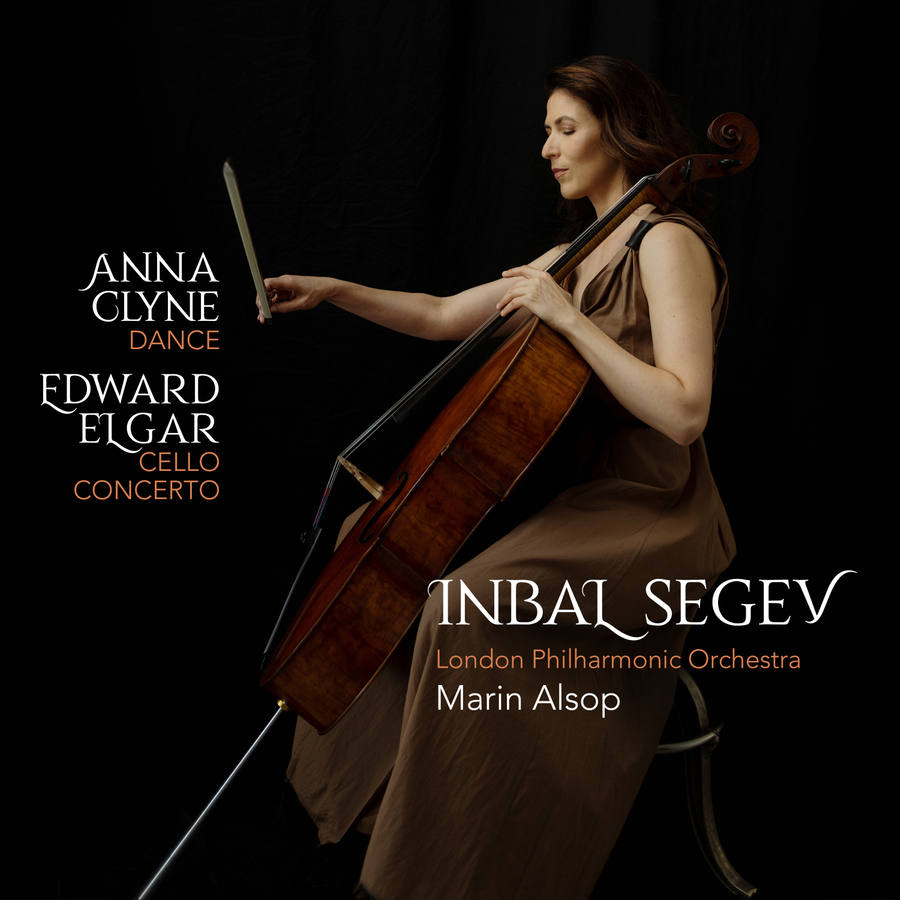
7. Anna Clyne: DANCE – Edward Elgar: Cello Concerto (Inbal Segev, London Philharmonic Orchestra & Marin Alsop)

Clyne-Elgar record sleeve

Now here’s someone who knows how to wear a hat:

Anna Clyne
Perfect!

No melodies moved me more last year than the sentimental, folk-influenced themes that form the basis of the four dances – excuse me, DANCES – by Anna Clyne.

The expressive style of cellist Inbal Segev serves them well. Although it steals too much of the spotlight from the orchestra. That’s especially true in the Elgar concerto. If you’re a fan of that work – and who isn’t? – the 2020 recording by Sheku Kanneh-Mason is probably a better choice.

6. Blessed Art Thou Among Women (PaTRAM Institute Singers)

Blessed Art Thou Among Women record sleeve

One of the greatest pleasures in life is listening to the sound of oktavists, the ultra-low bass singers that feature in Russian music. They’re abundantly present on this record, rumbling their way through four centuries of enchanting orthodox choral music.

If, God forbid, 2021 turns out to be another year in which we need extra comfort, this album is guaranteed to provide it. Just let the sounds of those amazing human didgeridoos gently vibrate your worries away.

5. Bohemian Tales (Augustin Hadelich)

Bohemian Tales record sleeve

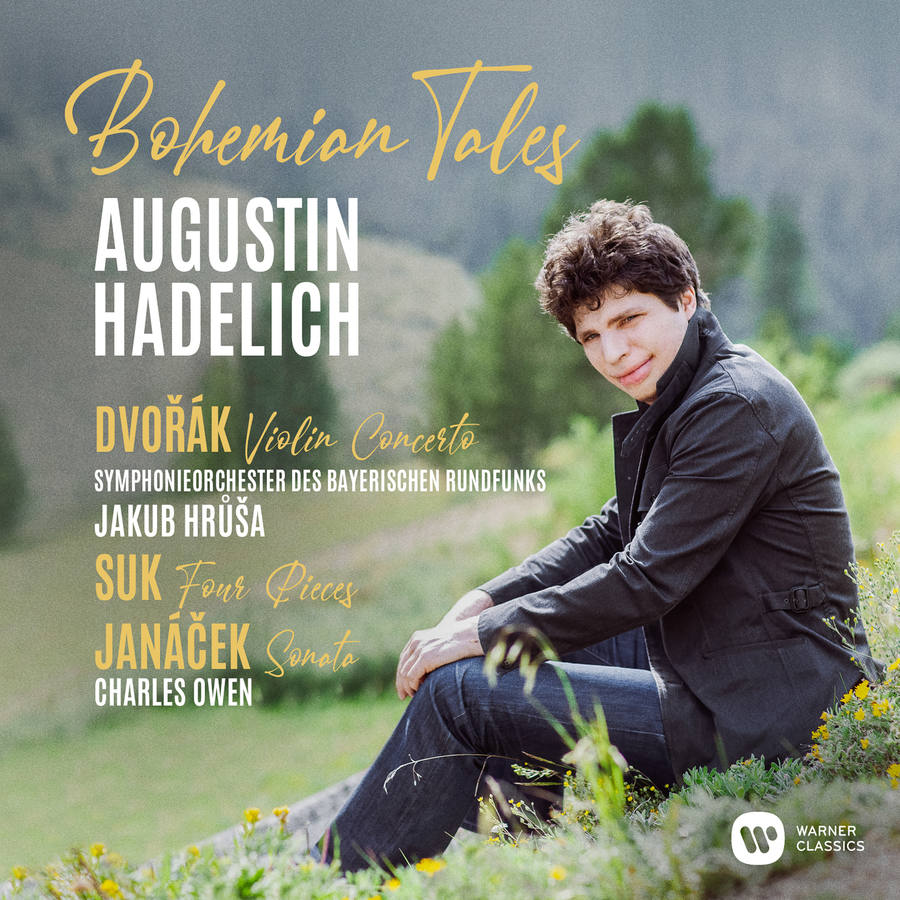
Some stuff that you know, some stuff that you don’t. That remains the perfect mix for a classical concert or album. Often, the unfamiliar work that you dreaded makes more of an impression than the well-known piece that you came for.

That was certainly the case with this recording of Bohemian violin music. I was lured in by Dvořák and Janáček, but it was the Op. 17 by Josef Suk that blew me away – less ‘romantic’ than Dvořák, more ‘popular’ than Janáček and with a unique approach to musical form.

Intrigued, I decided to seek out more music by Suk, especially his orchestral works. And I quickly decided that it wasn’t worth another second of my time. But it could have been the beginning of an exciting journey of musical discovery, is what I’m saying.

4. Beethoven: Songs & Folksongs (Ian Bostridge, Antonio Pappano)

Beethoven songs and folksongs record sleeve

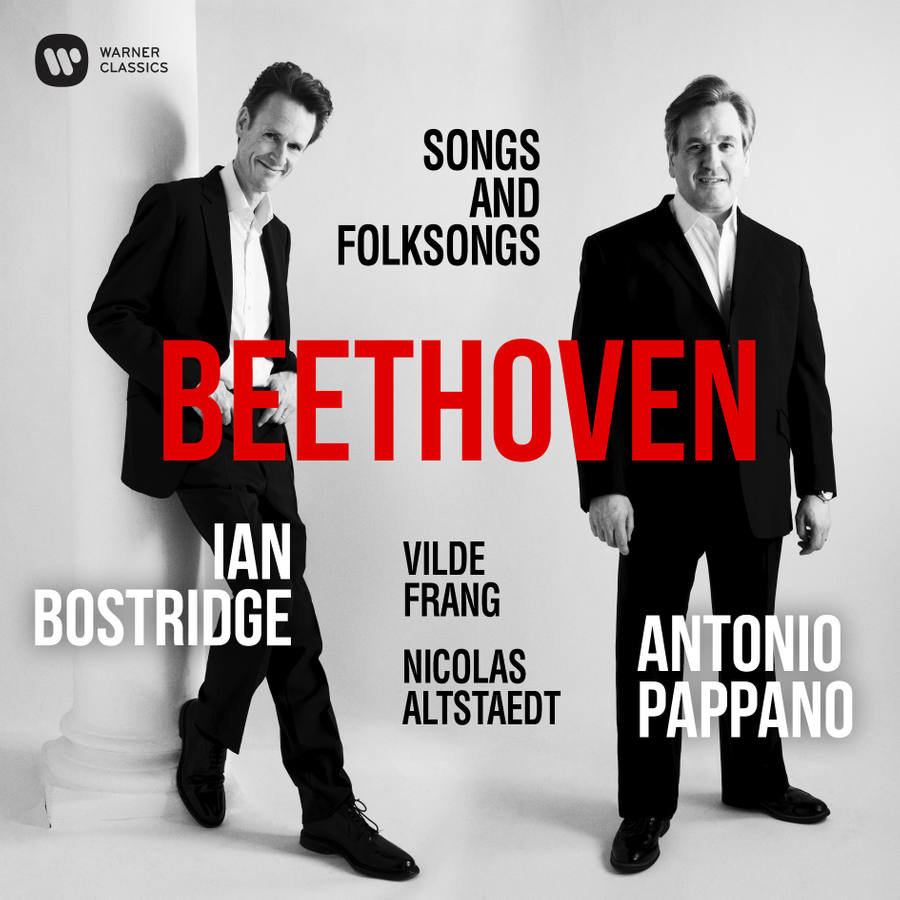
For obvious reasons, 2020 will not be remembered as ‘the year we celebrated the 250th birthday of Beethoven’. But it was an excellent year to explore Beethoven with a small b. Confined to my home, an album full of ‘domestic’ compositions was exactly what the doctor ordered.

Apart from the visionary An die ferne Geliebte cycle, the Beethoven songs are generally considered of little importance. And that’s even more true of his settings of Irish, British, Scottish and Welsh folk songs that he purely made – gasp! – for money. It’s to Bostridge’s credit that he applies his otherworldly talent to these supposedly mundane compositions – and reveals that they are anything but that.

3. Proving Up (Missy Mazzoli)

Proving Up record sleeve

2020 was also the year in which we witnessed how the American democracy nearly drove itself off a cliff.

There are a lot of reasons for what happened during the last four years. One of them is the destructive idea behind the American dream. Missy Mazzoli and her librettist Royce Vavrek turned that into a wonderful opera. And I’m not going to repeat what I already wrote about it.

2. Not Our First Goat Rodeo (Yo-Yo Ma, Stuart Duncan, Edgar Meyer & Chris Thile)

Not Our First Goat Rodeo record sleeve

Wait, is this a classical album?

Well, on the one hand, it’s labelled by the record company as such. It includes Yo-Yo Ma and Edgar Meyer. And in what other category would you put a track like Not For Lack of Trying?

On the other hand, who cares? I don’t trust jazz or bluegrass fans enough to feel confident that they will include this record in their end-of-year lists. And this joyous display of musicianship and collaboration cannot get enough praise from every corner.

1. Adès Conducts Adès (Boston Symphony Orchestra)

Adès conducts Adès record sleeve

Of the contemporary composers on this list, Thomas Adès is probably the most ‘difficult’ one. And yet, if you listen to some connoisseurs, you’d think he’s one cowbell removed from becoming André Rieu.

That’s probably because Adès’ music packs an emotional punch that resonates with a lot of people. Which makes it suspect in the ears of some.

Yet you only need to listen to the second movement of his piano concerto to realize that this guy is something special. There are echoes from many traditions, but the language is unique. And underneath is a musical progression that you don’t need to fully understand to be overwhelmed by it. That’s something that only comes around, well, every 250 years or so.

Did I just imply that Adès is the new Beethoven? Must be the champagne talking. All I wanted to say is: some things that came out of 2020, are worth remembering. Happy New Year!

Want to keep up with my classical musings? Enter your email address and click subscribe.

Dive into my selection of favorite albums from 2021

My Visit to the Handel and Hendrix Museum

Last summer, I paid a short visit to London. In my backpack: a few biographies of – and a lot of music by – George Frideric Handel. My mission? To re-acquaint myself with Britain’s greatest composer. And to write a few articles about it, of course. First stop: Handel’s house in London.

On the first floor of the Handel and Hendrix museum, you can watch a movie starring two passionate and eloquent musicians:

  • a harpsichord player who sings the praises of George Frideric Handel (1685-1759)
  • an electric guitar player who raves about Jimi Hendrix (1942-1970)

But when the movie ends with these two jamming together, it’s a bit of an anti-climax. And that’s typical for the relationship between pop (or rock) and classical music: they have more in common than they think, but when they end up in bed together, it seldom leads to fireworks. The result is usually kitschy, pretentious or both. (Except when it’s awesome.)

So why would they force Handel and Hendrix to share a museum? Because fate brought them together.

Handel and Hendrix museum stars

Fate … and a timeless fashion sense

The story behind the Handel and Hendrix museum

You see, Jimi Hendrix lived in the attic of Handel’s house! Well, in the attic of Handel’s neighbour, to be precise. So they were divided by two centuries and a supporting wall. But that’s still a remarkable coincidence, right? (If you happen to be a statistician: I don’t really want to know.)

George and Jimi shared more than their rubbish collection day. They were both foreigners who made their fortune in London. They were both addicts – Jimi to heroin, George to food and wine. They were both musicians of course, and … that’s about it.

So I was curious to see how the Handel and Hendrix museum would fit these two musical giants together.

“I would have enjoyed rummaging through Handel’s opera score collection or finding a half-eaten bratwurst on his nightstand.”

The Hendrix flat

Surprisingly, the Hendrix part of the museum made the biggest impression on me. His bedroom is decorated exactly as it was when he lived there from 1968 to 1969. Right down to the packet of Benson & Hedges and box of Quality Street next to his bed.

Handel and Hendrix museum piece

Rock and roll!

It was here that Jimi woke up one night to find Handel’s ghost walking in: “an old guy in a nightshirt and a grey pigtail”. Did I mention drugs were involved?

You can also browse through Hendrix’ stunningly diverse record collection. And yes, there’s some Handel in there. After hearing about his illustrious downstairs neighbour, Hendrix said: “I haven’t heard much of the fella’s stuff. But I dig a bit of Bach now and then.” He later went out to buy a copy of Messiah and Belshazzar.

The Handel house

Compared to that, the Handel portion of the Handel and Hendrix museum is a lot more, well, classical. You know what I mean: harpsichords in the middle of empty rooms, portraits on the walls, manuscripts in glass cases, …

Nothing wrong with all that, of course, but after the Hendrix experience (clever pun totally intended), I would have enjoyed rummaging through Handel’s opera score collection or finding a half-eaten bratwurst on his nightstand.

Of course, that’s not the museum’s fault. We just don’t know enough about Handel’s life to recreate his private quarters with any degree of historical accuracy. But it does threaten to confirm the image of classical music as a stuffy affair. Especially when fragments of psychedelic guitar sounds keep reminding you of the cool kid living in the attic.

Handel and Hendrix museum bedrooms

Visit without prejudice

Fortunately, Jimi Hendrix wasn’t so narrow-minded. Visitors to his flat remembered him playing along to his Handel records. And during the Winterland concerts, in Francisco in 1968, he inserted a musical quote from Messiah.

I’m pretty sure Handel would have returned the compliment, since at least half of his genius was due to cleverly stealing other people’s music.

So there’s at least one excellent reason to visit the Handel and Hendrix museum. It proves that – awkward bedfellows or not – pop and classical music make excellent neighbours.

Want to keep up with my classical musings? Enter your email address and click subscribe.

More about Handel

Beethoven meets metal (and they seem to get along)

In my last post about Tartini’s devil’s trill, I made a joke about crossover artist Vanessa-Mae. This amused me so much that I decided to fill a whole article with hilariously disastrous attempts to make classical music look cool.

Making classical music look cool

This stuff.

Sounds like fun? Well, too bad. I changed my mind and will now serve you a distressing insight into my sometimes weird musical taste. Do stick around, though.

“You don’t need to be cool to win an audience.”

Good, bad, brilliant

Why did I change my mind? Not because of a lack of material, that’s for sure. For hilarious examples and an intelligent argument about why classical music shouldn’t even try to be cool, read this article.

Anyway, as I was mining the internet for some more ‘good bad’ stuff, I stumbled upon this video.

That guy is Michele “Dr. Viossi” Vioni, Italian guitar virtuoso, composer and producer, playing the finale of Beethoven’s Moonlight sonata. The video went viral a couple of years ago, but I somehow missed it. And now I can’t stop watching it.

Blended to perfection

I know, I know, … ‘Beethoven meets metal’ sounds like a terribly tasteless idea. Just like ‘Schubert meets metal’. But in this case, I think it actually works. Thanks to Vioni, who not only seems an incredible virtuoso but also an intelligent musician. He strikes a balance between remaining faithful to Beethoven’s score and imposing the typical metal mannerisms upon it. In fact, to me, the backing track is even more interesting than Vioni’s finger acrobatics you see in the video.

Of course, Beethoven deserves some of the credit. Vioni tried this trick on a few other classical compositions, but the result isn’t nearly as good. It’s the amazing drive of that third movement of the Moonlight sonata that blends so well with the metal style.

Acquired metallic taste

Metal is a peculiar musical genre. People who claim to like ‘good’ pop or rock music, usually look down on it. Yet it surprisingly often touches a nerve with jazz or classical enthusiasts. Maybe not that surprising, since metal partly grew out of progressive rock.

Progressive rock meme

Anyway, I recently developed a taste for metal music – at least some of it. This earns me a lot of looks of disbelief. Understandably, since I was once a teenager who preferred Beethoven over Black Sabbath. (Yes, I did get beat up a few times, why do you ask?)

Partners in being uncool

Sure, metal is often needlessly loud and aggressive. But it can be surprisingly adventurous as well, or delightfully silly. Maybe that’s because a lot of metal musicians don’t take themselves too seriously –  despite all the tough posturing. They do whatever they want to do, even if it’s playing a Beethoven piece note by note on an electric guitar. Not cool? As 11 million YouTube views prove: you don’t need to be cool to win an audience.

And isn’t that an uplifting thought for fans of metal and classical alike?

Want to keep up with my classical musings? Enter your email address and click subscribe.

More about Beethoven